Most cleaning contracts do not fail on day one. They fail somewhere around month three, when the crew that impressed you during the trial has quietly been replaced, the supervisor has stopped visiting, and nobody can tell you who is responsible for the store room. Choosing well at the start is far cheaper than re-tendering later.
Here is what actually matters when you are comparing cleaning companies, and what to ask before you sign anything.
1. Do they visit the site before quoting?
A quotation issued over the phone, sight unseen, is a guess. Floor area is only one variable: surface types, access, height, the state of the restrooms, how many people use the space and when it can be cleaned all change the labour and equipment required. A contractor who quotes without a site assessment is either underquoting to win the job (and will cut corners later to recover margin), or has not understood the scope. Insist on a free site assessment, and walk it with them.
2. Is the scope written down in plain language?
"General cleaning" means nothing. A proper scope specifies what is cleaned, how often, and to what standard: daily tasks, weekly tasks, monthly tasks, and periodic deep-clean cycles. If the document you are given does not tell you whether the windows are included, it is not a scope. It is a sales brochure.
3. Who supplies the materials and machinery?
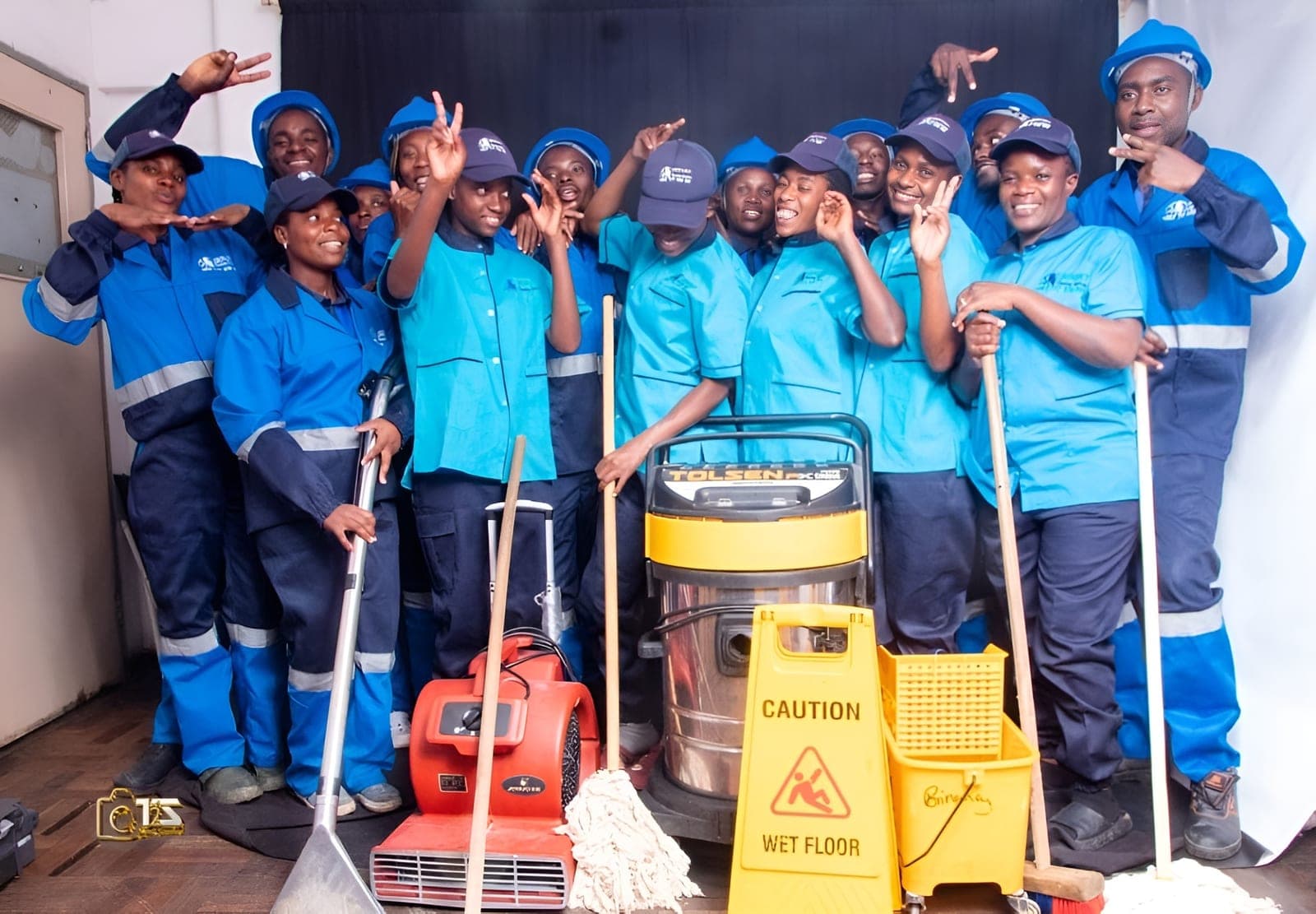
Clarify this before pricing is compared, because it makes the numbers meaningless otherwise. A quote that excludes chemicals, consumables and machinery will always look cheaper than one that includes them. Ask specifically about extraction equipment, air movers, scrubbers and signage: the items that separate a cleaning company from a labour broker.
4. How is the work supervised?
Supervision is the single biggest predictor of whether standards hold over time. Find out who the supervisor is, how often they attend, and what they sign off. If quality control is described as "the client tells us if there is a problem", the contractor has outsourced their quality management to you.
5. Are the staff formally engaged, trained and vetted?
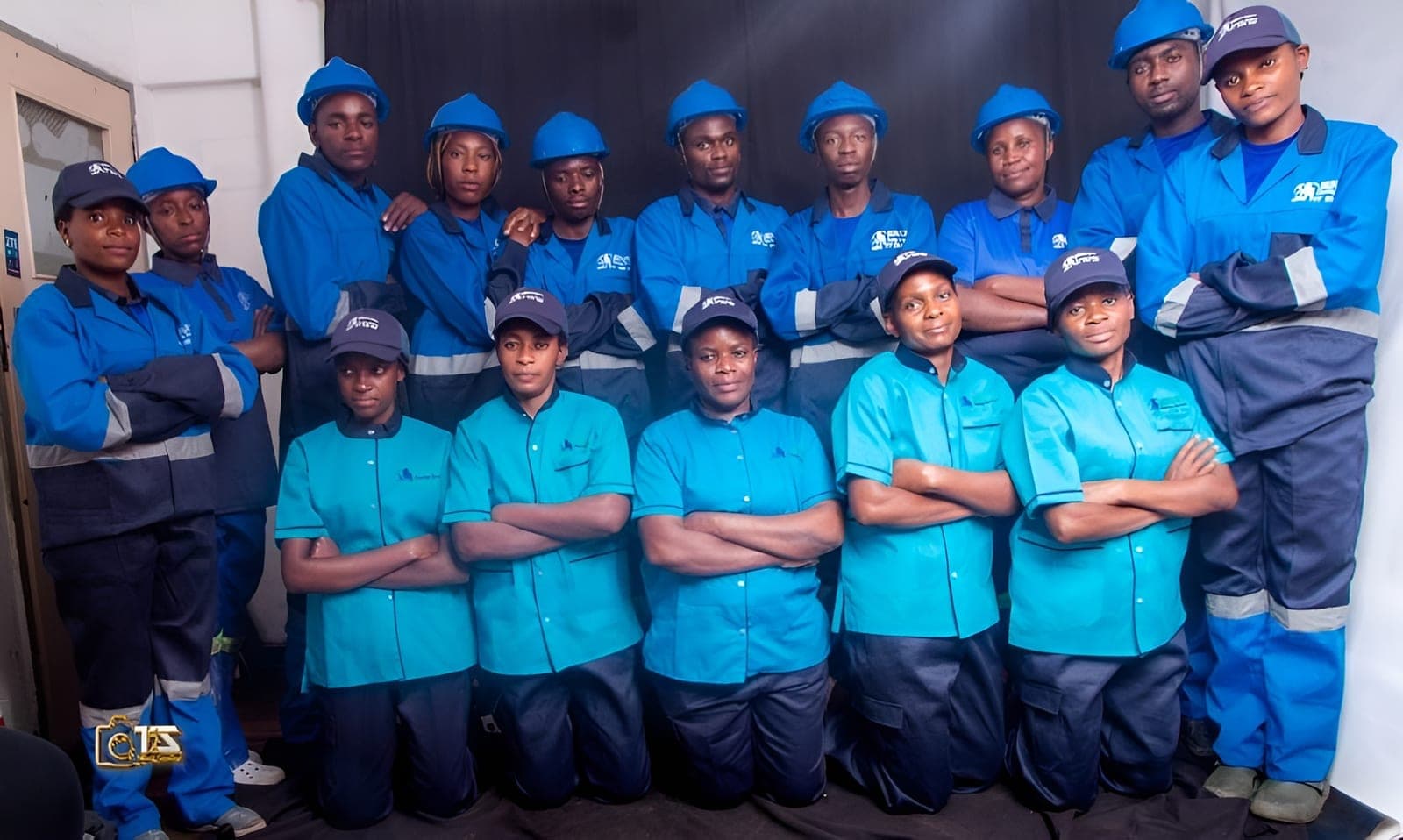
You are giving these people keys, access codes and unsupervised time in your building. Ask how staff are recruited, what reference checks are done, what induction and training they receive, and whether they can be identified on site by uniform and badge. Ask whether the same team attends your site consistently. High turnover is a standards problem waiting to happen.
6. Can they show compliance documentation?
For public-sector and corporate procurement in Zimbabwe you will need registration documents, tax clearance and, where relevant, PRAZ-ready submissions. Even if you are a private company, a contractor who has this pack ready is a contractor who runs a real business rather than an informal operation.
7. Do they work around your operations, or through them?
The best commercial cleaning is invisible. If the work can happen at night, before opening or over a weekend, it should. Check that the contractor can staff those shifts. Many cannot, and will quietly push the work into your working day.
8. What happens when something goes wrong?
Things will go wrong: a crew member calls in sick, a machine fails, a spill needs an emergency response. What matters is the escalation path. Ask for a named contact, a response time, and what the contractor does when they fall short. Vague reassurance here is a red flag.
9. Can they show you real work?
Photographs of the actual team on actual sites, references you can call, and a track record in your sector are worth more than any promise. A contractor who cleans schools understands term-time constraints. One who cleans clinics understands infection control. Sector experience is not interchangeable.
The cheapest quotation is rarely the cheapest contract. Underquoted work gets recovered through fewer hours, fewer staff and cheaper materials. You just pay for it later, in standards.
A short checklist to take into your next meeting
- Free site assessment before the quotation is issued
- Written scope with task frequencies, not a generic description
- Materials, consumables and machinery clearly included or excluded
- Named supervisor, defined inspection frequency, signed quality checks
- Staff vetting, training and uniform standards confirmed
- Compliance pack available on request
- Ability to staff after-hours and weekend shifts
- Documented escalation path and response times
- Contactable references in your sector
Work through those nine points with every contractor you are considering and the right choice usually becomes obvious well before price enters the conversation.
Need this done properly?
Our teams do this every day, with the equipment and training to back it up. Free assessment, written quote.